What exactly is microcrystalline cellulose?
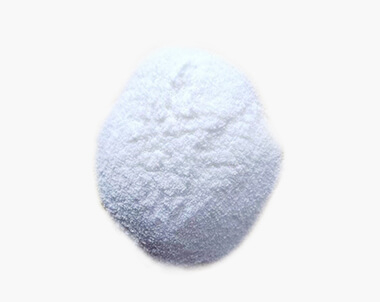
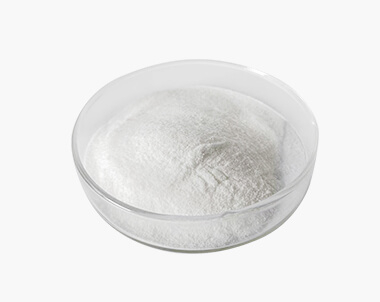
Microcrystalline cellulose often looks like a simple white powder, so buyers may treat it as a basic fiber ingredient. That can create problems when tablets crack, capsules fill poorly, or documents fail review. I usually explain it as a functional excipient, not just “cellulose powder.”
Microcrystalline cellulose is a purified, partially depolymerized cellulose material1 made from plant cellulose. In pharma and supplement production, it is mainly used as a tablet and capsule excipient for filling, binding, powder handling, disintegration support, and formulation consistency.2 Its performance depends on grade, specification, process fit, and verified documentation.

The short definition is useful, but it is not enough for procurement. In pre-sales discussions, I find that the better question is: which MCC grade fits your product, process, market, and quality requirements?
What is microcrystalline cellulose used for in tablets and capsules?
Many buyers first ask whether microcrystalline cellulose is “natural” or “safe.” That question matters, but it is too broad. If the wrong grade is selected, the product may still pass a basic name check and fail during production.
Microcrystalline cellulose is commonly used in tablets and capsules as a filler, dry binder, flow aid support, compression aid, and disintegration-supporting excipient. Different grades can behave differently3, so buyers should match MCC to the dosage form and manufacturing process.

In practical terms, I see MCC selected for several reasons:
Tablet filling: It adds bulk when the active ingredient dose is small.
Binding: It helps particles hold together during compression.
Compression behavior: It can improve tablet hardness and reduce friability4 when properly matched.
Capsule filling: It can improve powder volume and handling.
Consistency: It supports more predictable production when quality is stable.
However, MCC is not magic. It does not solve every formulation problem. It also should not be confused with:
| Material | What it is | Main point for buyers |
|---|---|---|
| Microcrystalline cellulose | Purified, partially depolymerized cellulose | Functional excipient |
| Ordinary cellulose powder | Broader cellulose material | May not compress the same way |
| Dietary fiber powder | Nutrition-focused ingredient | Not always suitable as an excipient |
| CMC | Cellulose derivative | Different function and chemistry |
My simple rule is this: start with the application, not the product name.
Why does microcrystalline cellulose grade matter?
A common procurement mistake is choosing microcrystalline cellulose only by price or product name. That can look efficient at first, but it may create hidden costs in trial batches, machine adjustment, rejected lots, or supply instability.
MCC grade matters because particle size, bulk density, moisture, flow, and compaction behavior can affect tablet compression, capsule filling, blend uniformity, and final product quality.5 Buyers should compare specifications and samples before approving a supplier.

In customer discussions, we usually clarify these points before recommending a grade:
Dosage form: tablet, capsule, granule, or powder blend
Process: direct compression, wet granulation, or capsule filling
Target function: filler, binder, flow support, or disintegration support
Active ingredient behavior: sticky, fluffy, dense, low-dose, or high-dose
Market documents: COA, specification, MSDS, allergen statement, Non-GMO, HALAL, KOSHER, ISO/FSSC support when applicable
A simplified comparison looks like this:
| Buying factor | Why it matters |
|---|---|
| Particle size | Affects flow, mixing, and mouthfeel in some products |
| Bulk density | Affects capsule fill weight and tablet volume6 |
| Moisture | Can affect stability and processing7 |
| Microbial limits | Important for quality review8 |
| Documentation | Needed for import, audit, and customer approval |
For regulated or sensitive applications, buyers should not rely on verbal claims. They should request current documents and confirm suitability against their own target market requirements.9
How should buyers evaluate a microcrystalline cellulose supplier?
Some suppliers can quote quickly, but a quote is not the same as a reliable supply solution. If a buyer only compares price per kilogram, important risks may be missed.
Buyers should evaluate a microcrystalline cellulose supplier by checking product consistency, production capacity, specification control, documentation support, sample responsiveness, export experience, and technical communication. A qualified supplier should help buyers select a suitable grade, not just sell one powder.

When I support buyer inquiries, I like to ask practical questions:
What product are you making?
What function do you expect MCC to perform?
What grade have you used before?
Do you need pharmacopoeia-related documents?
Which country will the finished product enter?
Do you need long-term supply or trial quantities first?
This protects both sides. For example, a supplement OEM may need smooth capsule filling and fast documentation review. A tablet manufacturer may care more about compression performance and batch-to-batch consistency. An importer may focus on certificates, labels, and customs documents.
A useful supplier checklist includes:
Stable production base
Clear specifications
Batch COA availability
Sample support
Export documentation
Quality system records
Responsive technical discussion
At Besty Pharma, we manufacture and supply MCC and other excipients from China, and we regularly discuss application fit with pharmaceutical, supplement, and food ingredient buyers. Still, the final formulation decision should be verified through buyer-side testing and qualified professional evaluation.
Frequently Asked Questions
Is microcrystalline cellulose the same as cellulose?
No. Microcrystalline cellulose comes from cellulose, but it is purified and partially depolymerized to create specific excipient functions. It usually behaves differently from ordinary cellulose powder in compression10, filling, and formulation performance.
Is microcrystalline cellulose only used in pharmaceuticals?
No. It is widely used in pharmaceutical tablets and capsules, but it can also appear in supplements and some food-related applications.11 The suitable grade, documents, and regulatory review depend on the target market and final use.
Can I choose MCC only by price?
I do not recommend that. Low price may hide risks in flow, compression, moisture, documentation, or supply stability. Buyers should compare specifications, samples, and supplier quality support before approval.
What documents should I request from an MCC supplier?
Common documents include COA, specification sheet, MSDS, allergen statement, GMO statement, and relevant certification support such as ISO, FSSC 22000, HALAL, or KOSHER when applicable.12 Buyers should verify current documents before purchase.
Conclusion
Microcrystalline cellulose is more than a white fiber powder. It is a functional excipient whose value depends on application, grade, quality consistency, and documentation. If you are selecting MCC for tablets, capsules, or supplements, start with your process and target function first. If you need help comparing grades or preparing procurement documents, contact Besty Pharma for sample and specification support.